Experiencing ‘The Sound of Silence’ – A Review by Shibi Balakrishnan

Experiencing ‘The Sound of Silence’ – A Review by Shibi Balakrishnan

Home / Reviews / Experiencing ‘The Sound of Silence’ – A Review by Shibi Balakrishnan

Experiencing ‘The Sound of Silence’ – A Review by Shibi Balakrishnan

കേരളത്തിൽ ശില്പകല പ്രാക്ടീസ് ചെയ്യുക എന്നത് സാമ്പത്തികവും സാങ്കേതികവും ശാരീരികവുമായ വെല്ലുവിളികൾ ഒരേസമയം അഭിമുഖീകരിക്കുന്ന ഒരു പ്രക്രിയയാണ്. പ്രത്യേകിച്ച് കരിങ്കല്ല്, തടി തുടങ്ങിയ പുരാതന മാധ്യമങ്ങളിൽ പ്രവർത്തിക്കുന്ന കലാകാരന്മാർക്ക് ആശയപരമായ നിക്ഷേപത്തിനൊപ്പം ഗണ്യമായ സാമ്പത്തിക വിഭവങ്ങളും ശാരീരിക അധ്വാനവും വിനിയോഗിക്കേണ്ടിവരുന്നു.
ഇതര ദൃശ്യകലാപ്രവർത്തനങ്ങളിൽ നിന്ന് വ്യത്യസ്തമായി, ശില്പകലയിൽ കലാകാരന്റെ ശരീരം തന്നെ ഒരു ഉൽപാദനമാധ്യമമായി പ്രവർത്തിക്കുന്നു. അതിനാൽ ശില്പസൃഷ്ടി ഒരു ബൗദ്ധിക പ്രക്രിയ മാത്രമല്ല; മെറ്റീരിയലിന്റെ പ്രതിരോധവുമായി നിരന്തരം ഏറ്റുമുട്ടുന്ന ഒരു ഭൗതികാനുഭവം കൂടിയാണ്. മെറ്റീരിയലുമായുള്ള ഈ ഏറ്റുമുട്ടൽ കേവലം ആശയപരമോ രൂപപരമോ ആയ അമൂർത്തതയിലേക്കുള്ള ‘വഴുതൽ’ ഒഴിവാക്കിത്തരുന്നുമുണ്ട്.
ഇത്രയും അധ്വാനവും നിക്ഷേപവും ആവശ്യപ്പെടുന്ന ശില്പകലാ പ്രാക്ടീസുകൾക്ക് കേരളത്തിലെ കലാസ്ഥാപനങ്ങളും വിപണിയും മതിയായ പിന്തുണ നൽകുന്നുണ്ടോ എന്നത് മറ്റൊരവസരത്തിൽ ചർച്ച ചെയ്യേണ്ട കാര്യമാണ്.
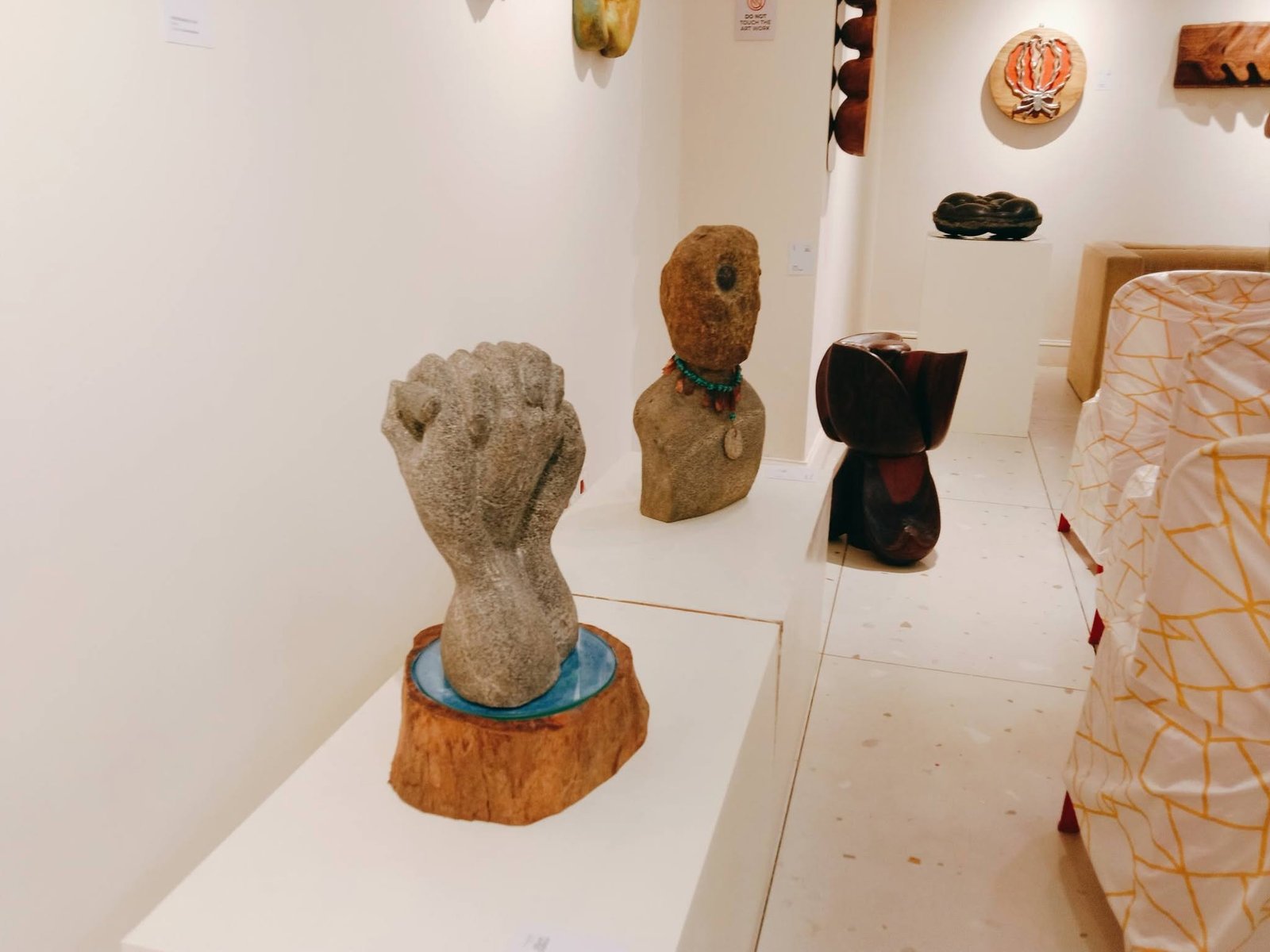
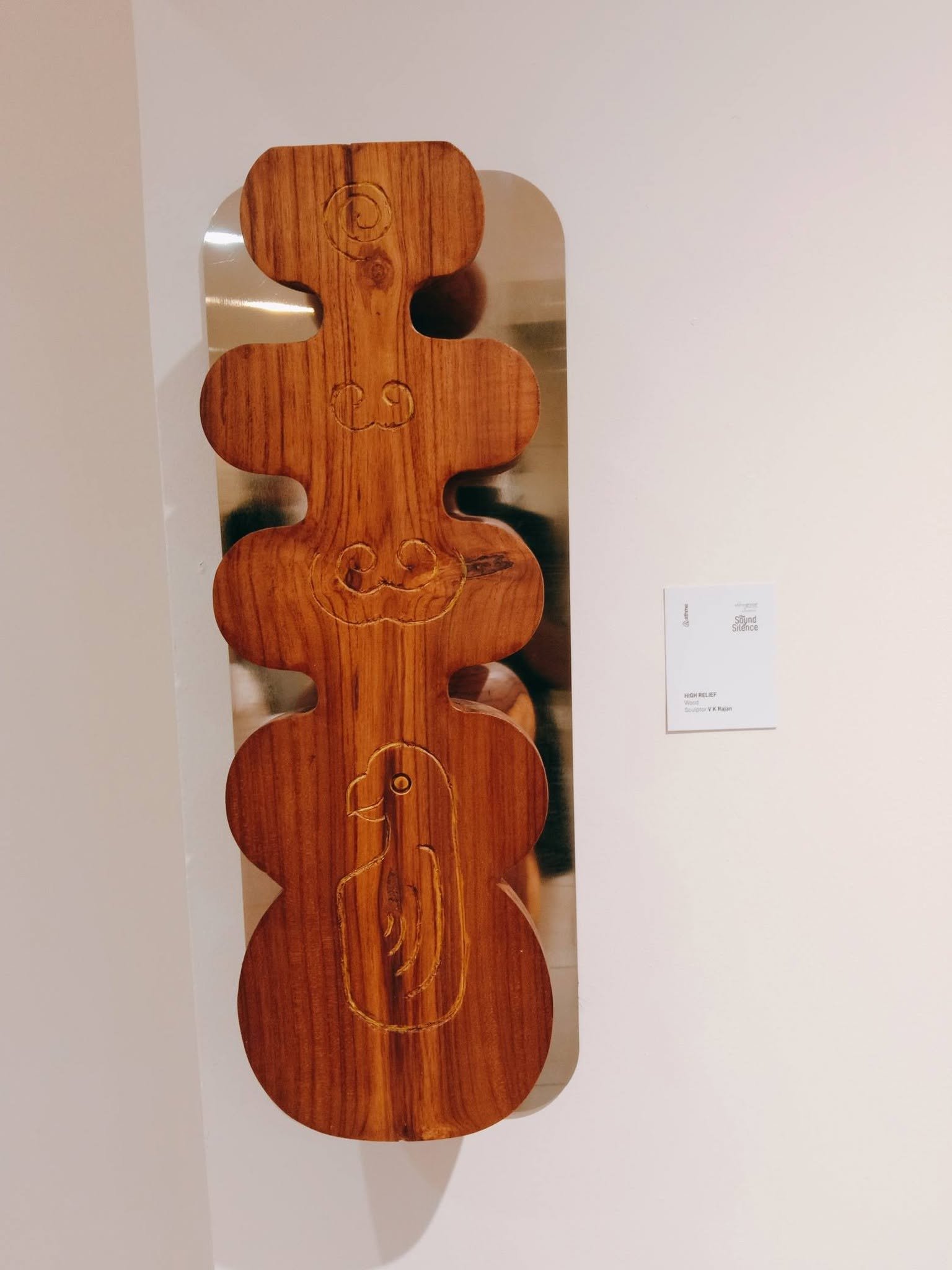
തിരുവനന്തപുരം ഫൈൻ ആർട്സ് കോളേജിലും ബറോഡ എം. എസ്. യൂണിവേഴ്‌സിറ്റിയിലുമായി ശില്പകലാപഠനം നടത്തിയ മുതിർന്ന കലാകാരൻ വി. കെ. രാജനും, ബറോഡ എം. എസ്. യൂണിവേഴ്‌സിറ്റിയിൽ കലാപഠനം നടത്തുകയും വ്യത്യസ്ത മാധ്യമങ്ങളിൽ ആർട്ട് പ്രാക്ടീസ് തുടരുകയും ചെയ്യുന്ന ജോൺസ് മാത്യുവും ചേർന്ന് കോഴിക്കോട് ആത്മ ആർട്ട് ഗ്യാലറിയിൽ നടത്തുന്ന കരിങ്കല്ല്, തടി തുടങ്ങിയ മാധ്യമങ്ങളിലെ ശില്പങ്ങളുടെ പ്രദർശനം (June 25 വരെ) സന്ദർശിച്ച അനുഭവത്തിന്റെ പശ്ചാത്തലത്തിലാണ് ഈ കുറിപ്പ്.
കേരളത്തിലെ സമകാലിക സർഗ്ഗാത്മക കാഴ്ചാലോകം ഇപ്പോഴും മനുഷ്യാനുഭവത്തിന്റെ വികാരപരമായ പുനരാവിഷ്കരണത്തെ പ്രധാന ന്യായീകരണമായി സ്വീകരിക്കുന്നതായി തോന്നിയിട്ടുണ്ട്. മനുഷ്യേതര ജീവജാലങ്ങൾ, വസ്തുക്കൾ, ആവാസവ്യവസ്ഥകൾ, ബഹുജീവ ബന്ധങ്ങൾ എന്നിവയെ സ്വതന്ത്രമായ അസ്തിത്വമണ്ഡലങ്ങളായി സമീപിക്കുന്ന ദൃശ്യഭാഷകൾ താരതമ്യേന അപൂർവമാണ്. കരിങ്കല്ലും തടിയും പോലുള്ള മാധ്യമങ്ങളിൽ പ്രവർത്തിക്കുന്ന ഈ കലാകാരന്മാരുടെ സൃഷ്ടികൾ ശില്പകലയുടെ ഭൗതിക വെല്ലുവിളികളെ മാത്രമല്ല, മനുഷ്യാനുഭവത്തെ കേന്ദ്രമാക്കി പ്രവർത്തിക്കുന്ന സമകാലിക ദൃശ്യഭാഷകൾക്കപ്പുറത്തേക്ക് നീങ്ങാനുള്ള സാധ്യതകളെയും സൂചിപ്പിക്കുന്നതായി തോന്നുന്നു.
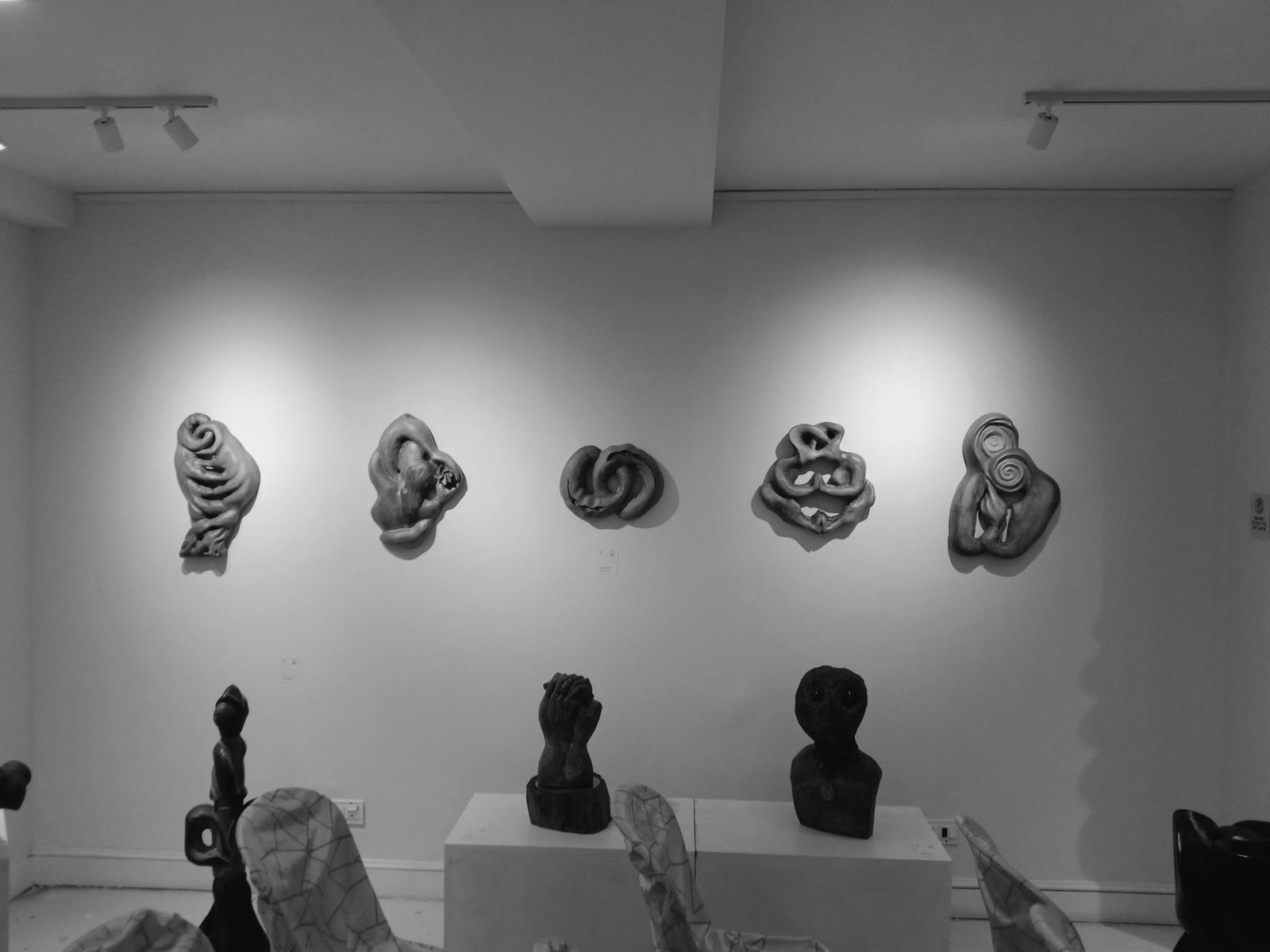
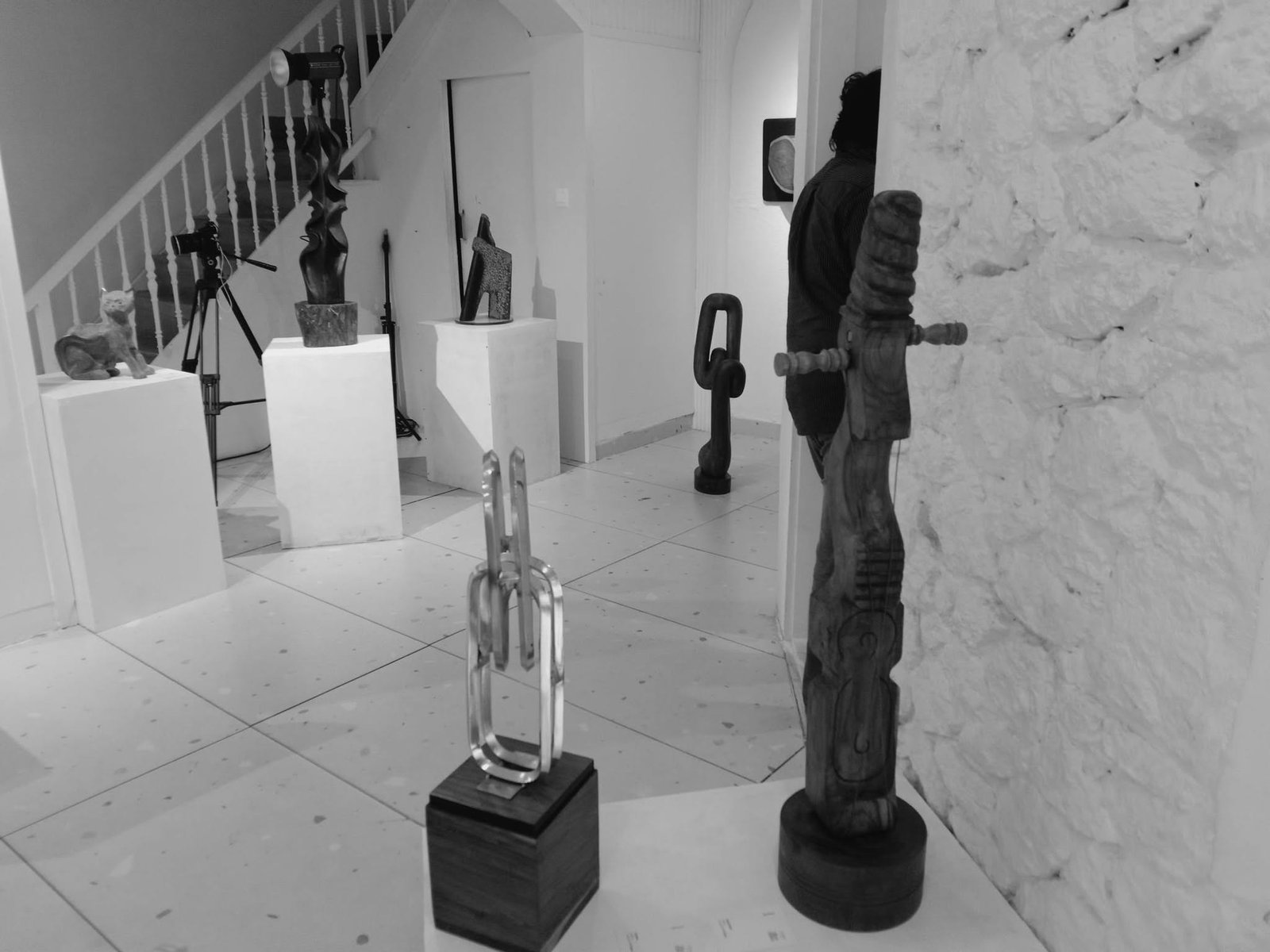
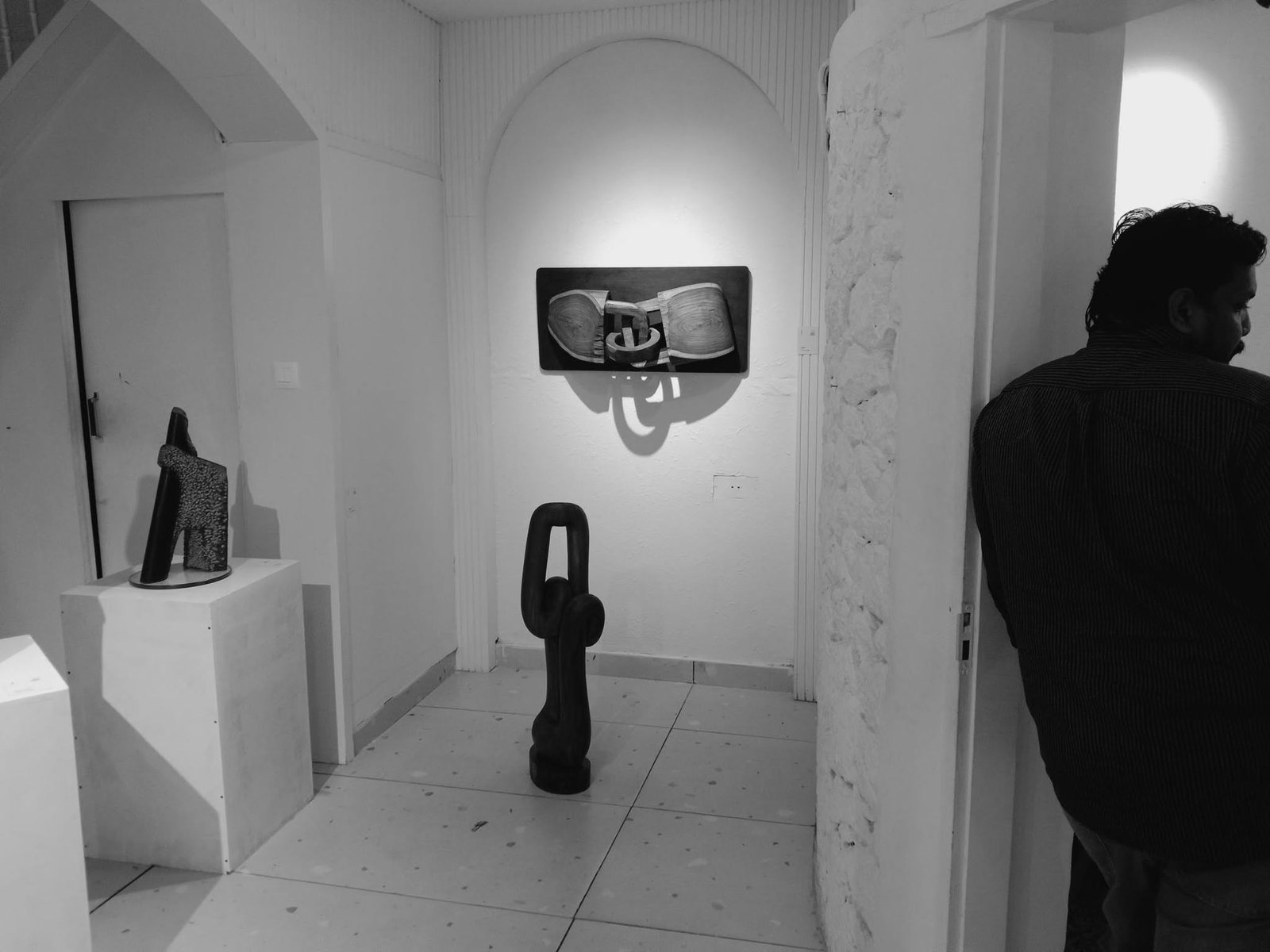
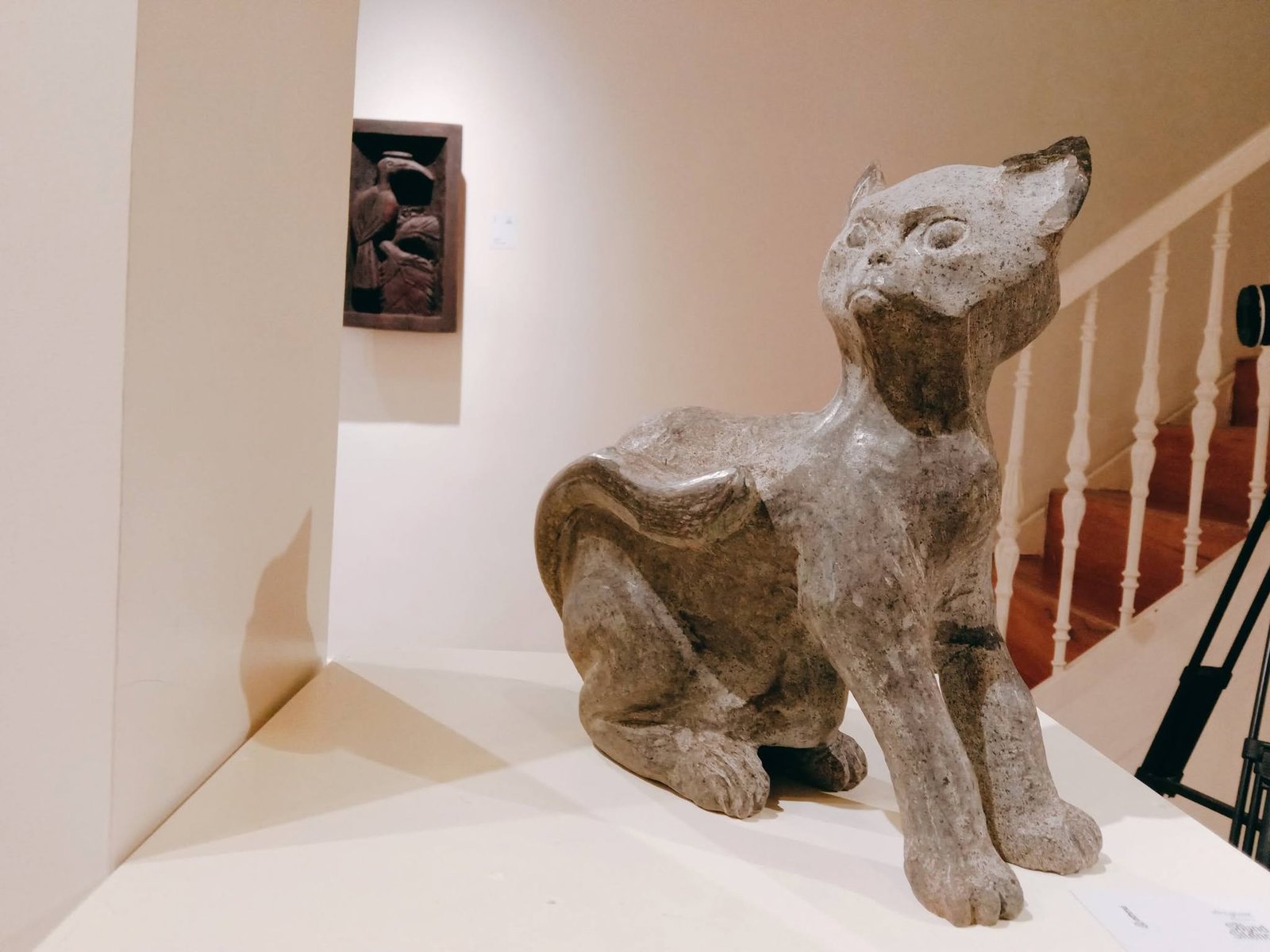
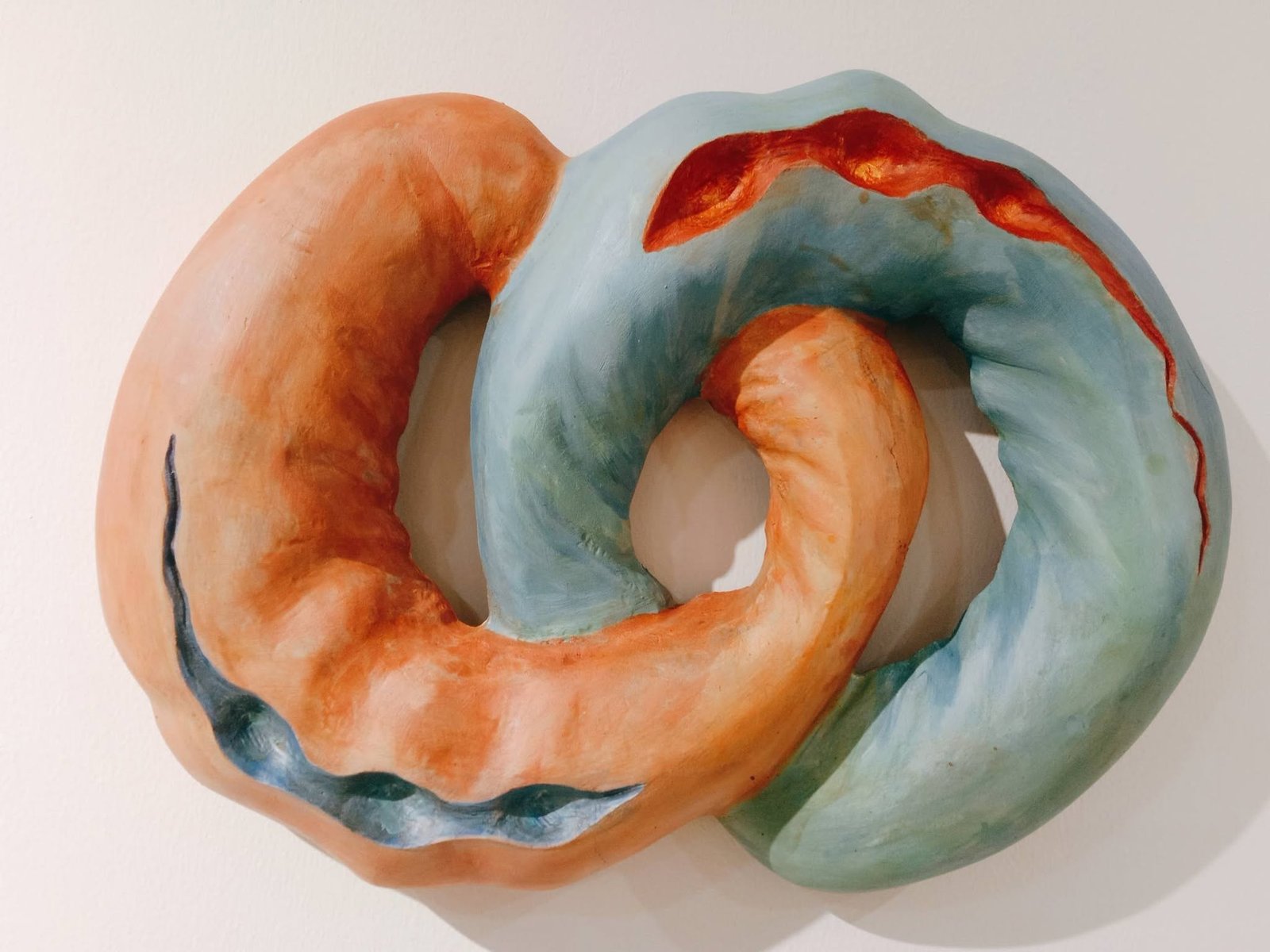
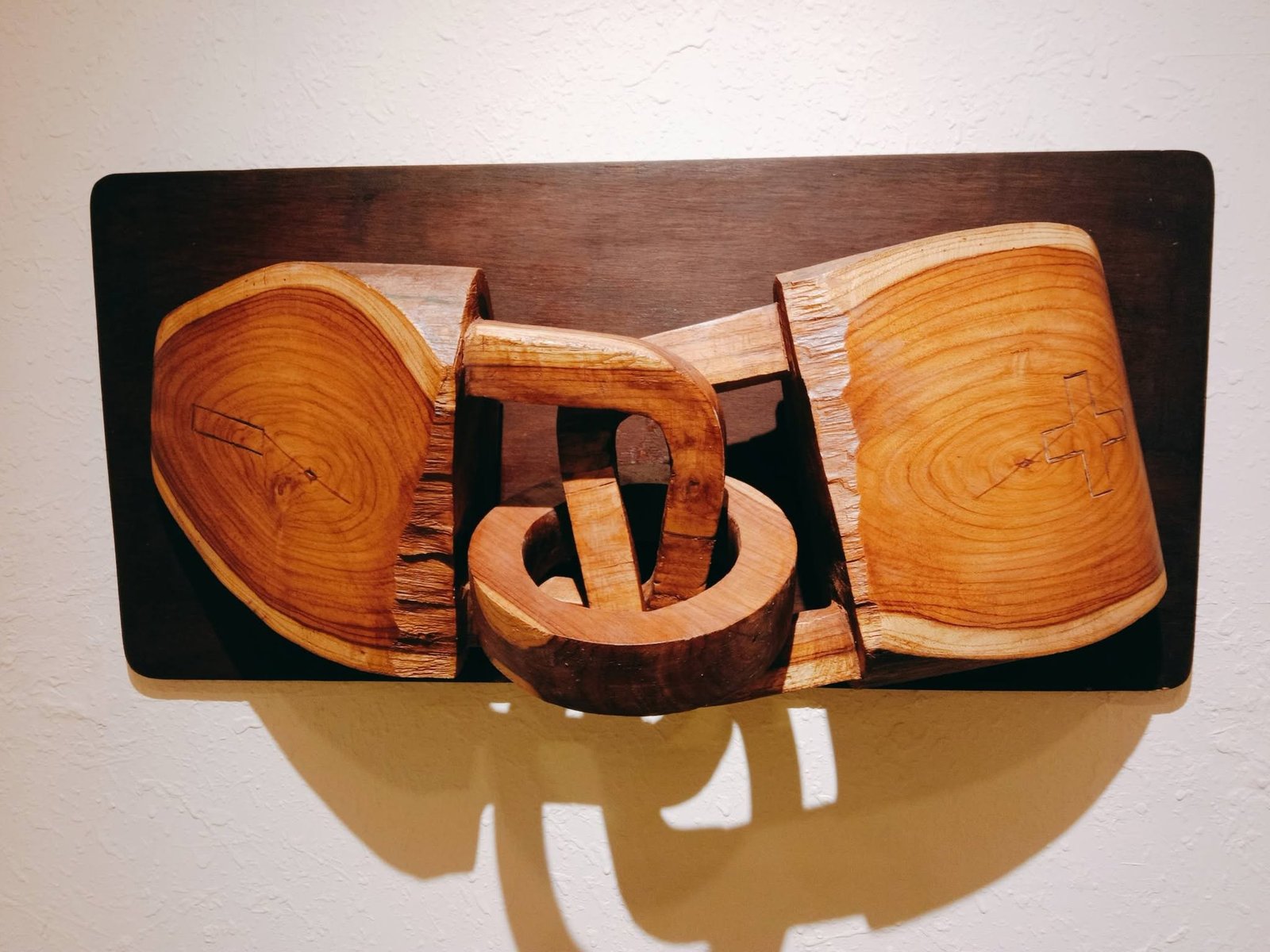
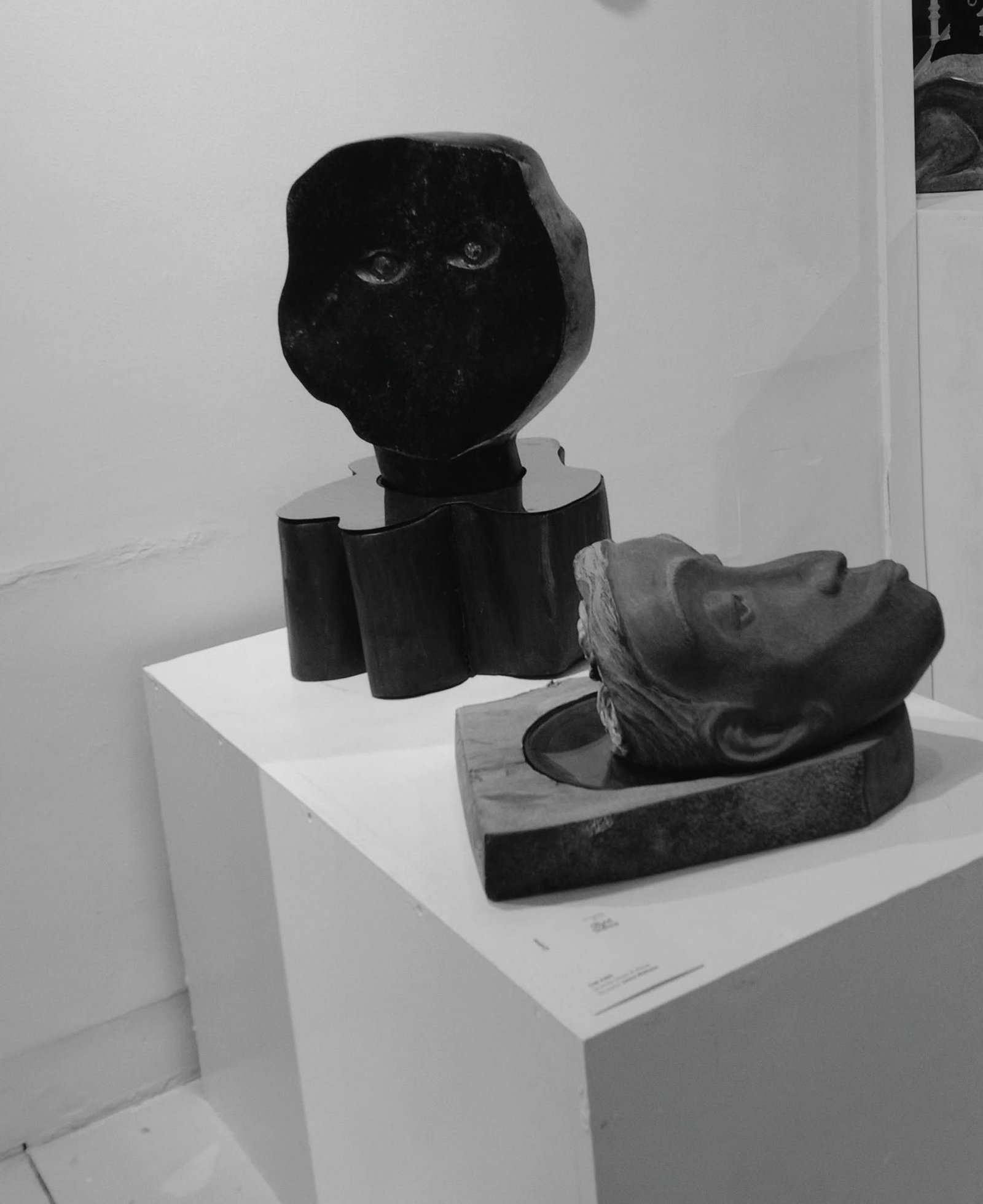
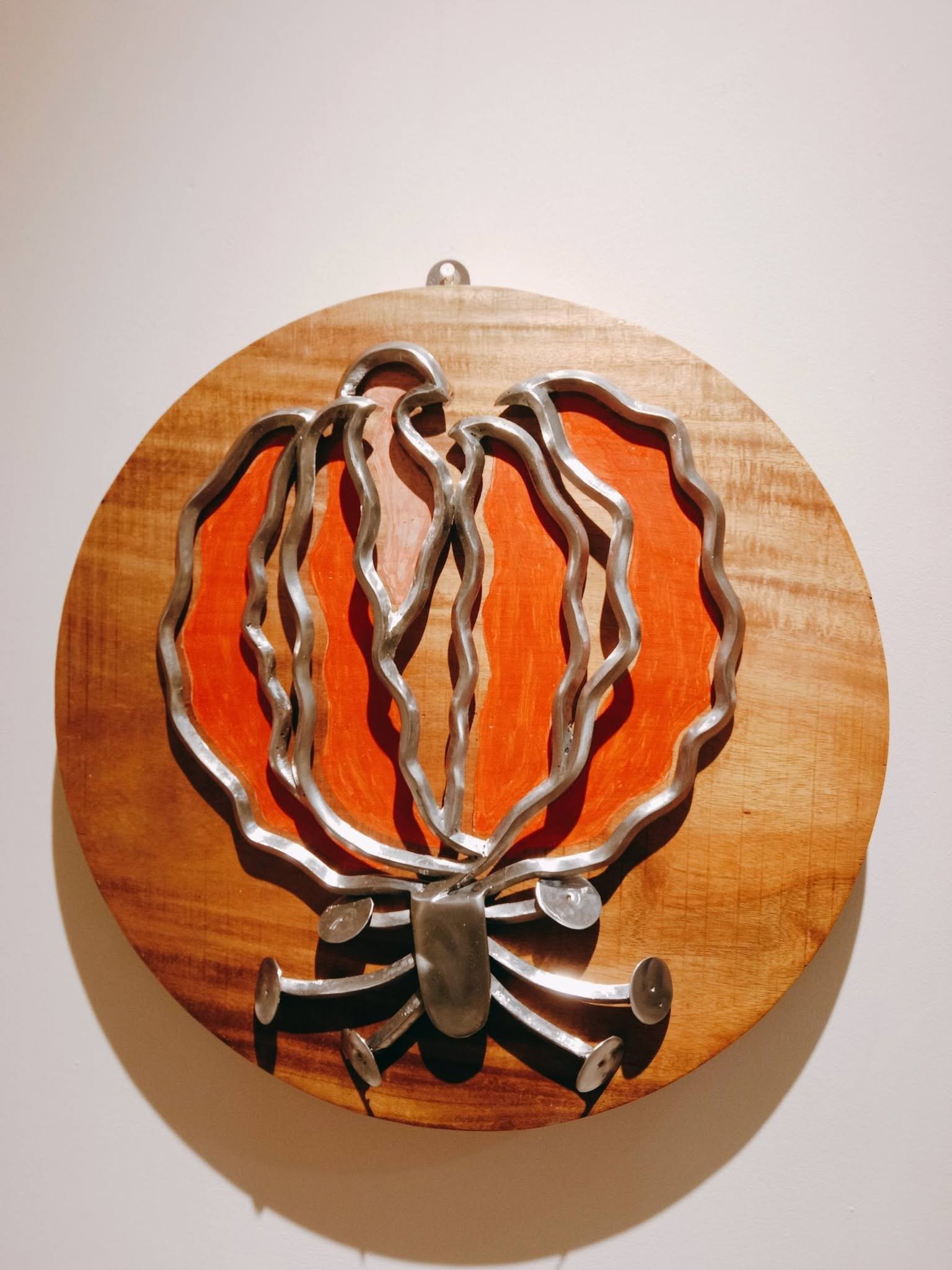
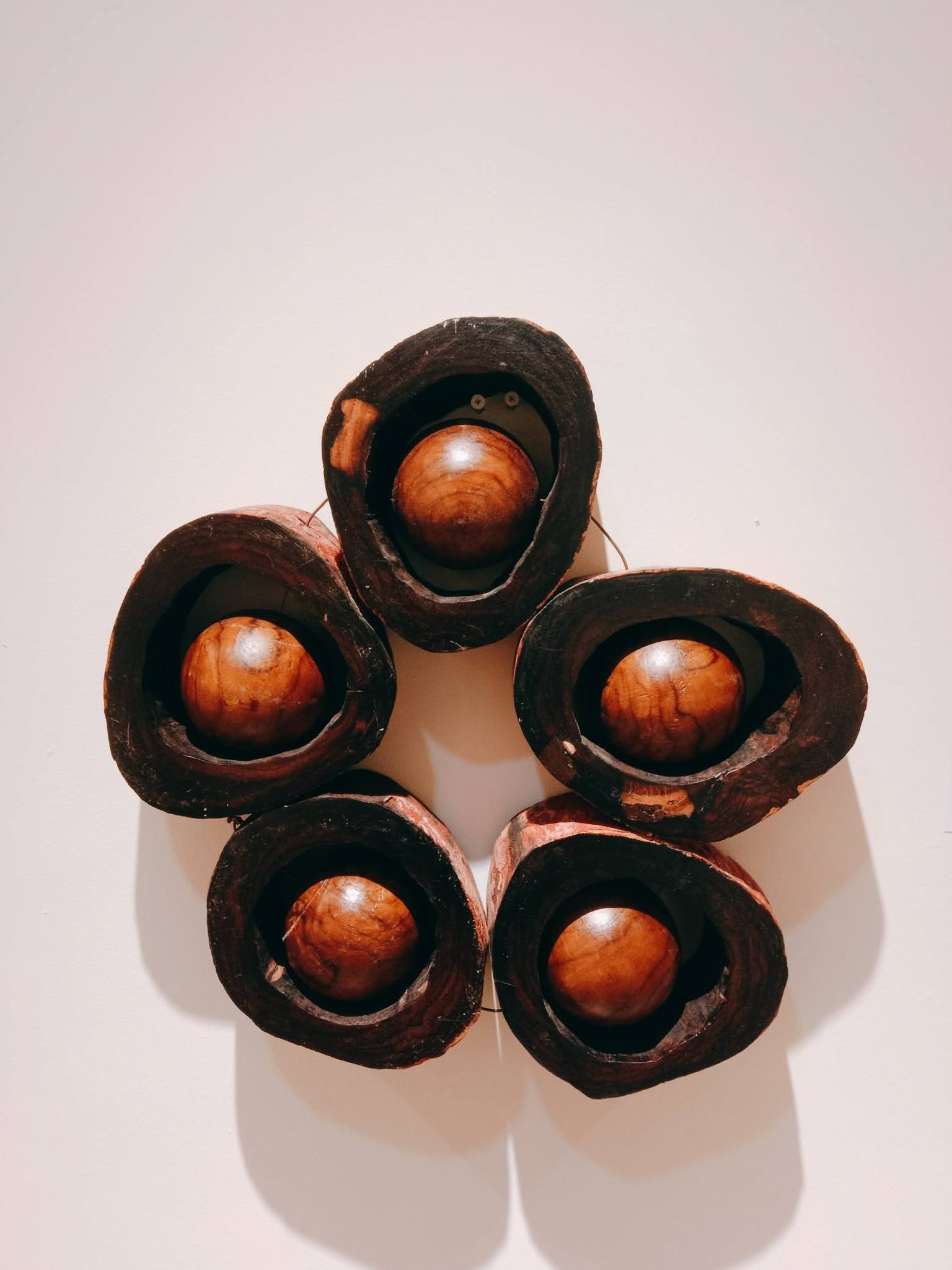
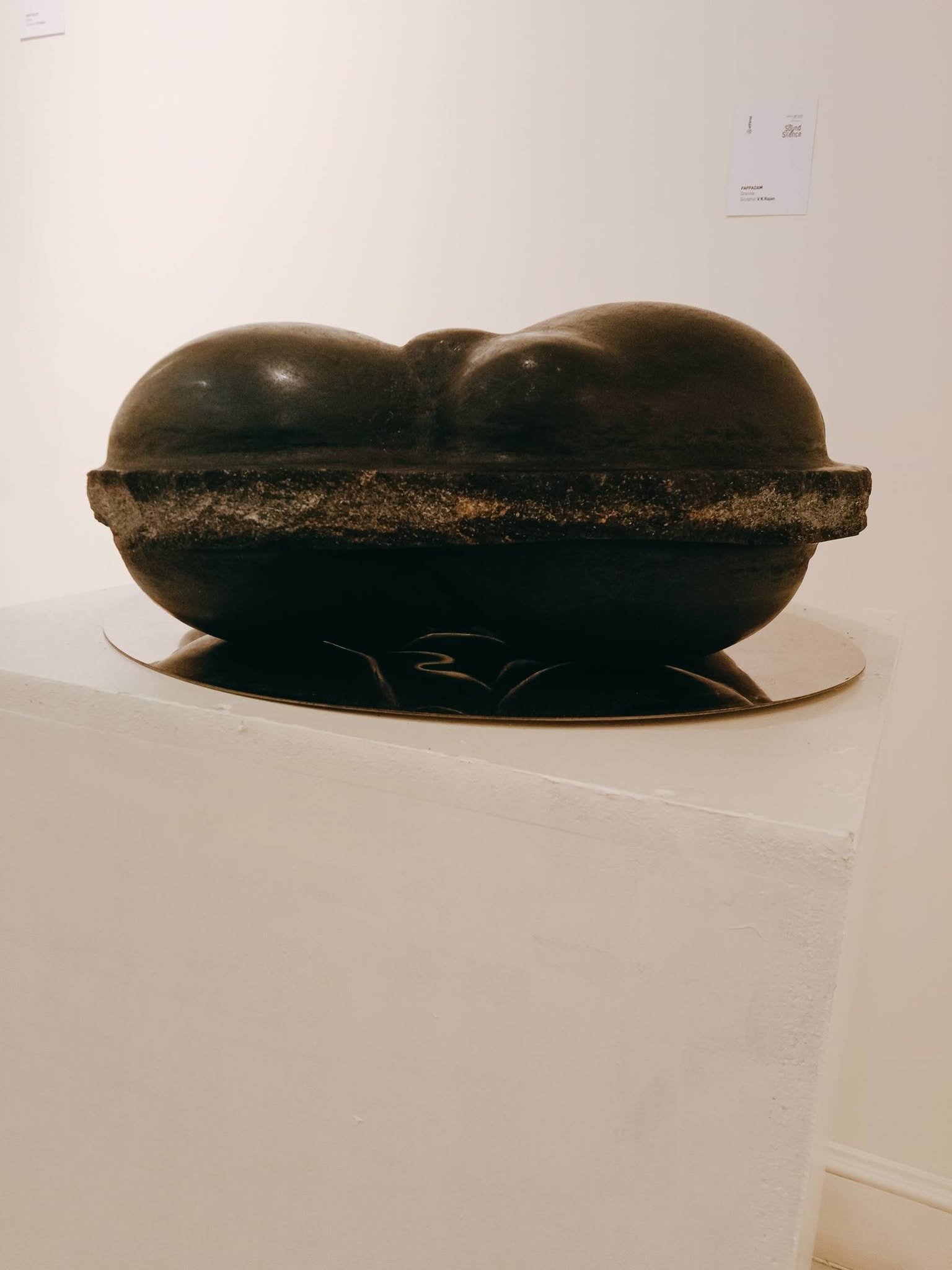
The Sound of Silence എന്ന പേരിൽ നടക്കുന്ന ഈ പ്രദർശനത്തിലുൾപ്പെട്ട കലാസൃഷ്ടികൾ മേൽസൂചിപ്പിച്ച ഒരു ആവാസലോകത്തെ പ്രതിനിധീകരിക്കുന്നുണ്ടെന്ന സൂചനകൾ നൽകുന്നു. ചിരപരിചിതമല്ലാത്ത രൂപങ്ങളിലൂടെ ശില്പഭാഷയുടെ ചില പാരമ്പര്യ സങ്കേതങ്ങളെ പ്രതിരോധിക്കുന്ന ഒരു കാഴ്ചാവിന്യാസം ഇവിടെ കാണാനാകുന്നു. മനുഷ്യകേന്ദ്രീകൃതമായ വായനകൾക്കപ്പുറം മറ്റൊരു അസ്തിത്വമണ്ഡലത്തെ സങ്കൽപ്പിക്കാൻ ശ്രമിക്കുന്ന ഈ ദിശ ശ്രദ്ധേയമാണെന്ന് തോന്നുന്നു.
കലാകാരന്മാർക്കും സംഘാടകർക്കും സ്നേഹാഭിവാദ്യങ്ങൾ.
Practising sculpture in Kerala is a process that simultaneously confronts economic, technical, and physical challenges. Particularly for artists working in traditional media such as granite and wood, significant financial resources and physical labour must be invested alongside conceptual commitment.
Unlike other visual art practices, in sculpture the artist’s body itself functions as a means of production. Therefore, the creation of sculpture is not merely an intellectual process; it is also a physical experience of constantly engaging with the resistance of the material. This encounter with materiality also prevents a mere “slippage” into conceptual or formal abstraction.
Whether the art institutions and market in Kerala provide adequate support for such sculptural practices, which demand so much labour and investment, is a matter that deserves discussion on another occasion.
These reflections emerge from visiting The Sound of Silence, an exhibition of sculptures in media such as granite and wood by senior artist V. K. Rajan, who studied sculpture at the Trivandrum College of Fine Arts and the M. S. University of Baroda, and Jones Mathew, who studied art at the M. S. University of Baroda and continues an art practice across diverse media. The exhibition is being held at Athma Art Gallery, Kozhikode, until June 25.
It has often seemed that Kerala’s contemporary creative visual culture still largely accepts the emotional re-presentation of human experience as its primary justification. Visual languages that approach non-human life forms, objects, habitats, and multi-species relationships as autonomous realms of existence remain comparatively rare. The works of these artists, working in media such as granite and wood, appear to point not only to the material challenges of sculpture but also to possibilities of moving beyond contemporary visual languages centred on human experience.
The works included in The Sound of Silence seem to offer indications that they represent such a habitat-world. Through unfamiliar forms, one can observe a visual arrangement that resists certain conventional devices of sculptural language. This direction, which attempts to imagine another realm of existence beyond anthropocentric readings, appears noteworthy.
Warm greetings and congratulations to the artists and organisers.


Leave a Reply

Your email address will not be published. Required fields are marked *