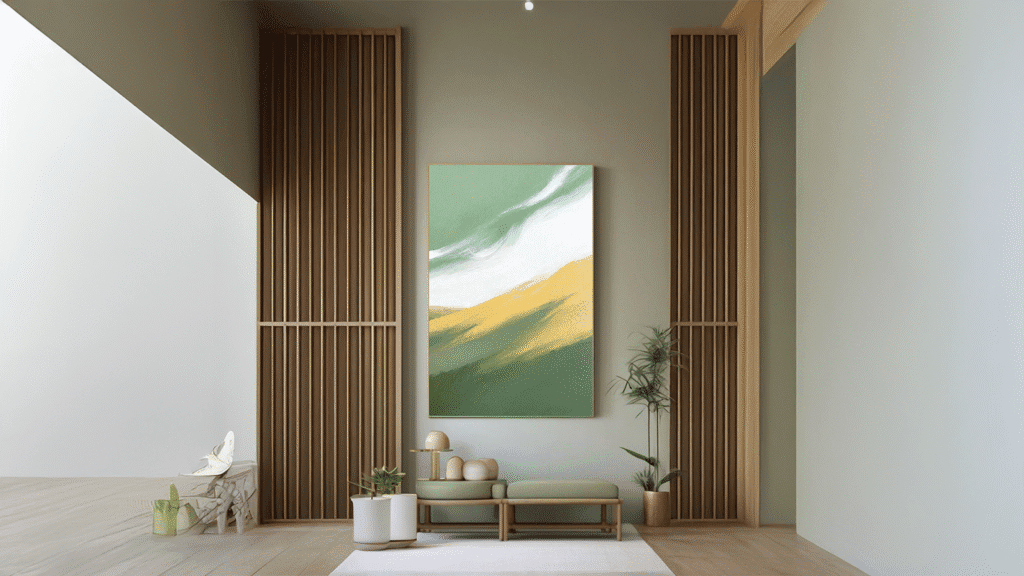


Choosing Art for Kerala’s 100-Year-Old Home Style

Gokul Raj
Gokul Raj is a writer, brand specialist, and Creative Director at Athma Creative. He works as a writer-director across short stories, theatre, and film, and is also a storytelling trainer.
He has created TVC ads, campaigns, and brand stories for national and international brands, combining creative storytelling with strategic thinking to build impactful brand identities.
Kerala’s ancestral homes, often referred to as Tharavad, Palli Veedu, Manzil, Nalukettu, or simply heritage homes carry a timeless harmony. Built across Hindu, Christian, and Muslim traditions, these houses share a common architectural language:
- Sloped clay-tiled roofs
- Polished wooden pillars
- Courtyards (Nadumuttam)
- Long corridors and verandas
- Earth-toned textures
- Symmetry-driven layouts
When selecting wall art for these spaces, modern décor trends may not always fit. The art must respect the material warmth, cultural depth, and spatial calmness of Kerala’s vernacular heritage architecture.
The following insights reflect the kind of knowledge refined through years of understanding both art and interior behaviour.
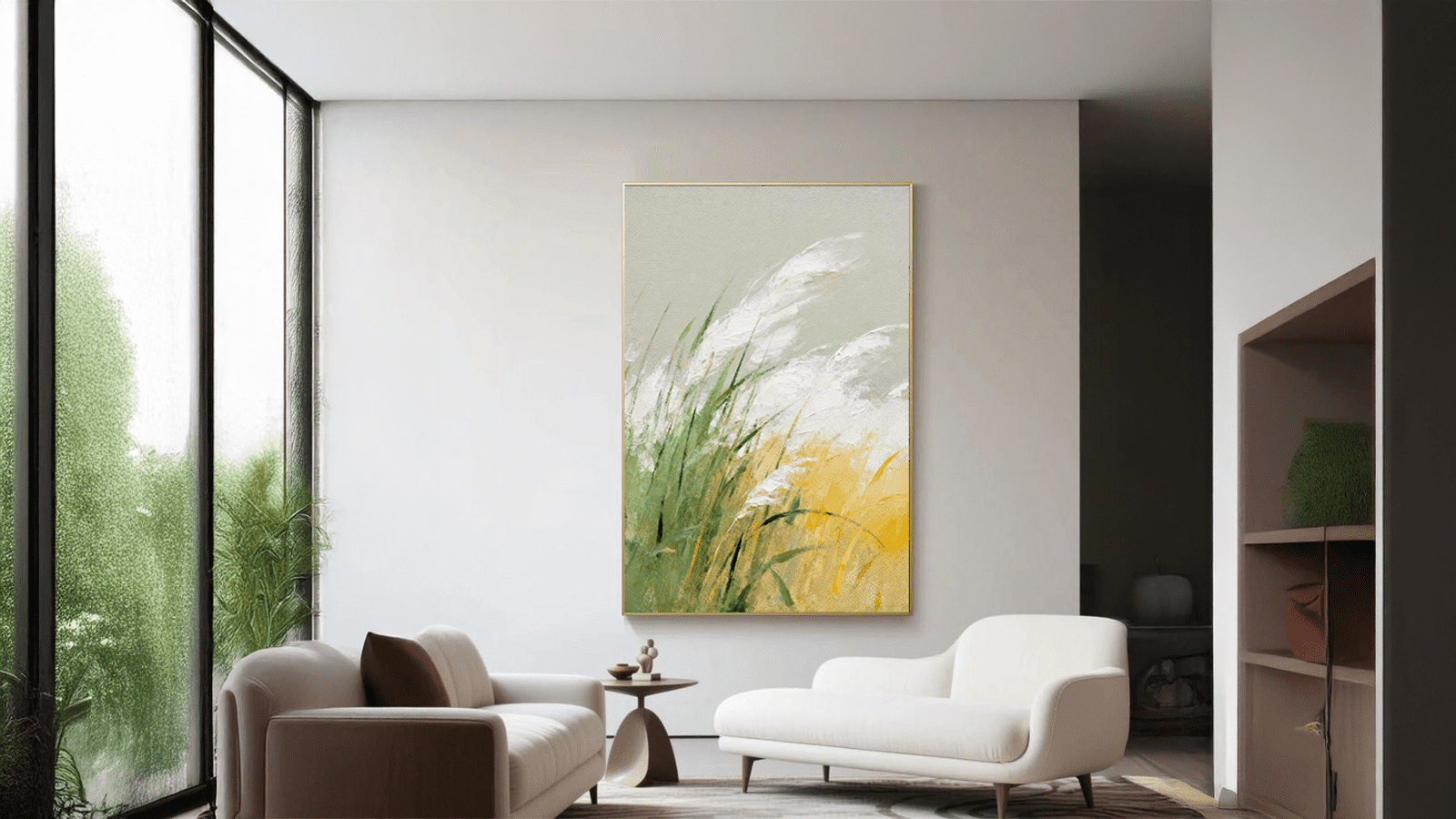
1. Earth-Toned and Nature-Rooted Art Aligns with Wood-Dominant Interiors
Heritage homes rely heavily on teak, jackwood, or rosewood. These deep tones are visually heavy, so artwork must balance—not compete.
Works that suit:
- Subtle abstracts inspired by natural textures
- Earthy palettes (ochre, umber, sienna, moss green)
- Gentle landscape-inspired brushwork
- Hand-drawn minimal Indian line art
These maintain visual warmth while adding depth.
2. Long Corridors Require Rhythm, Not Overcrowding
Traditional Christian tharavadu homes (Palli veedu), Muslim ancestral homes (Manzil), and Hindu nalukettu corridors all share elongated passages.
The art here works best when it creates continuity rather than distraction.
Best choices include:
- Minimalist monochrome sketches
- Narrow vertical artworks spaced evenly
- Subtle thematic series
- Light-toned canvas textures
Understated art preserves the serenity and “slow movement” feeling of heritage spaces.
3. Courtyard-Connected Spaces Benefit from Cultural Motif Art
Whether it’s a nalukettu in Hindu tharavad, an open verandah in a Christian ancestral home, or an inner patio in a Muslim manzil, these spaces receive natural light and act as spiritual anchors.
Recommended styles:
- Kerala mural–inspired forms (kept minimal, not overly traditional)
- Classical dance or folklore line drawings
- Abstracted botanical art
- Cultural patterns reinterpreted in modern tones
The key is evoking heritage without turning the space into a temple or museum.
4. Art Should Complement, Not Compete with Antiques
Most Kerala heritage homes preserve:
- Brass lamps
- Wooden chests (paala petti)
- Vintage mirrors
- Church/temple-inspired décor
- Woven cane furniture
- Hand-carved wooden pieces
When these elements already hold visual weight, the wall art must stay soft, layered, and balanced.
Suitable options:
- Sepia-toned portraits
- Washed, textured abstracts
- Heritage-inspired sketches
- Simple, muted framed artworks
This allows the antiques to breathe while keeping the wall alive.
5. Modernized Heritage Homes Need Transitional Art
Many restored heritage homes now blend old architecture with modern living rooms, open kitchens, or contemporary furniture.
Transitional artworks work best here—pieces that fuse traditional warmth with modern minimalism.
Examples include:
- Large-scale neutral abstract canvas
- Modern Indian abstract art
- Oversized botanical strokes
- Multi-panel muted compositions
These create a bridge between old-world structure and present-day lifestyle.
6. Gallery-Style Narratives Suit Family-Centric Homes
All Kerala vernacular heritage homes—Hindu, Muslim, or Christian—place importance on lineage and memory.
Long walls, staircases, and transitional areas become perfect spaces for personal narratives.
Recommended layouts:
- Family photo clusters in uniform frames
- Minimal heritage-inspired illustrations mixed with portraits
- Black-and-white family story panels
- A curated mix of old photographs and modern artwork
This gives the home an identity-led visual flow that matches its cultural spirit.
7. Respecting Architectural Geometry Is Key
Kerala heritage architecture is quietly geometric:
- Repeating wooden beams
- Grid ceilings
- Symmetrical doors and windows
- Linear corridors
Art must follow this rhythm.
How to harmonize art with geometry:
- Align centers of artworks with architectural axes
- Use proportional frames that mimic door/window ratios
- Keep spacing mathematically consistent
- Prefer rectangular frames over irregular shapes
This maintains calm, structural integrity, and visual coherence.
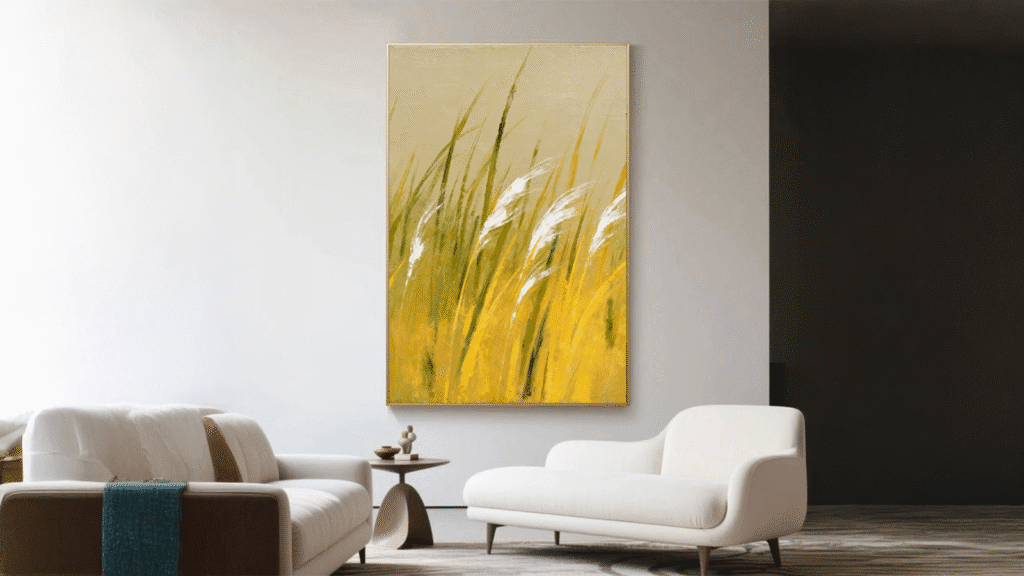
The Art Philosophy That Fits Kerala’s Heritage Homes
The essence of choosing art for Kerala vernacular architecture is simple:
Art should not overpower heritage.
Art should complete it.
When selected with sensitivity to material, culture, tone, and structure, the artwork becomes part of the home’s narrative—quiet, dignified, and timeless.